EXhiBition
GALLERIES
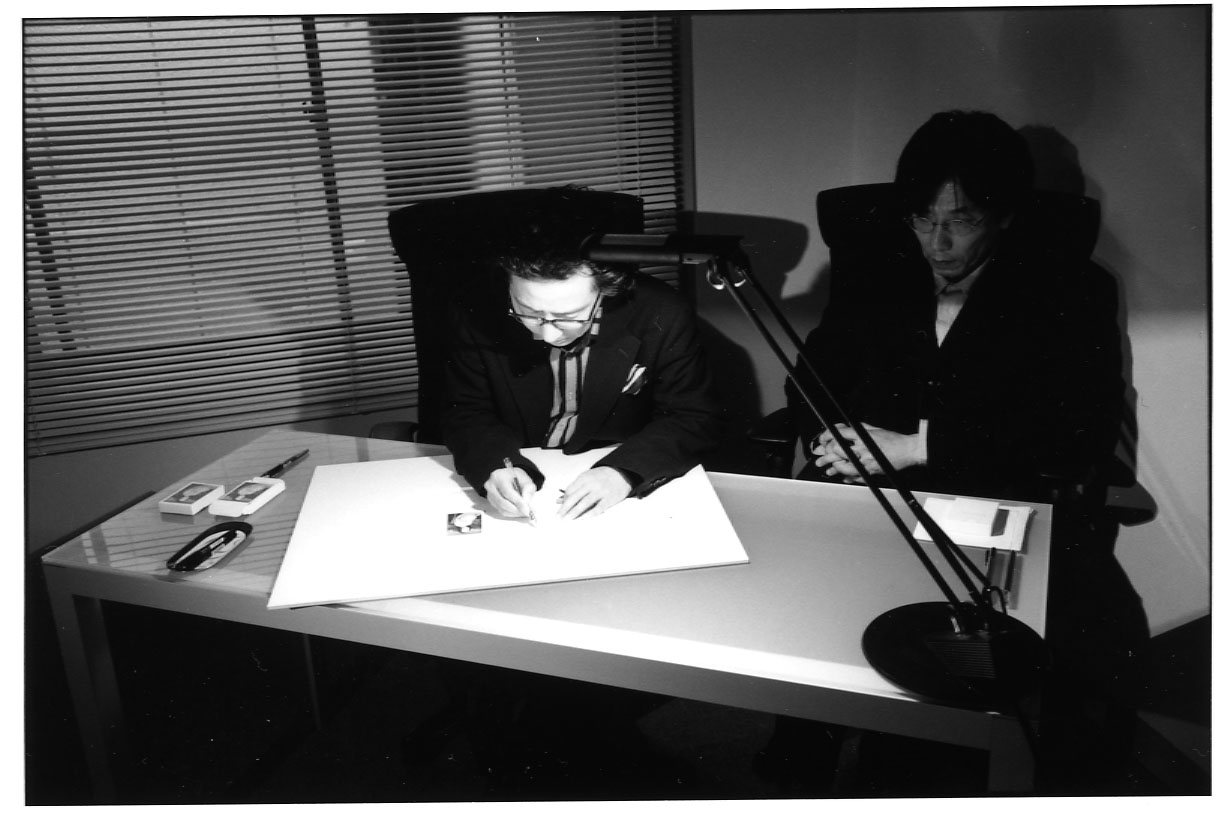
YUKIO FUJIMOTO AND YASUMASA MORIMURA, Given: 1. Mona Lisa in Pregnancy, 2. Playing Cards, 2005. Photo by Kazuo Fukunaga. © Yukio Fujimoto and Yasumasa Morimura, courtesy MEM.
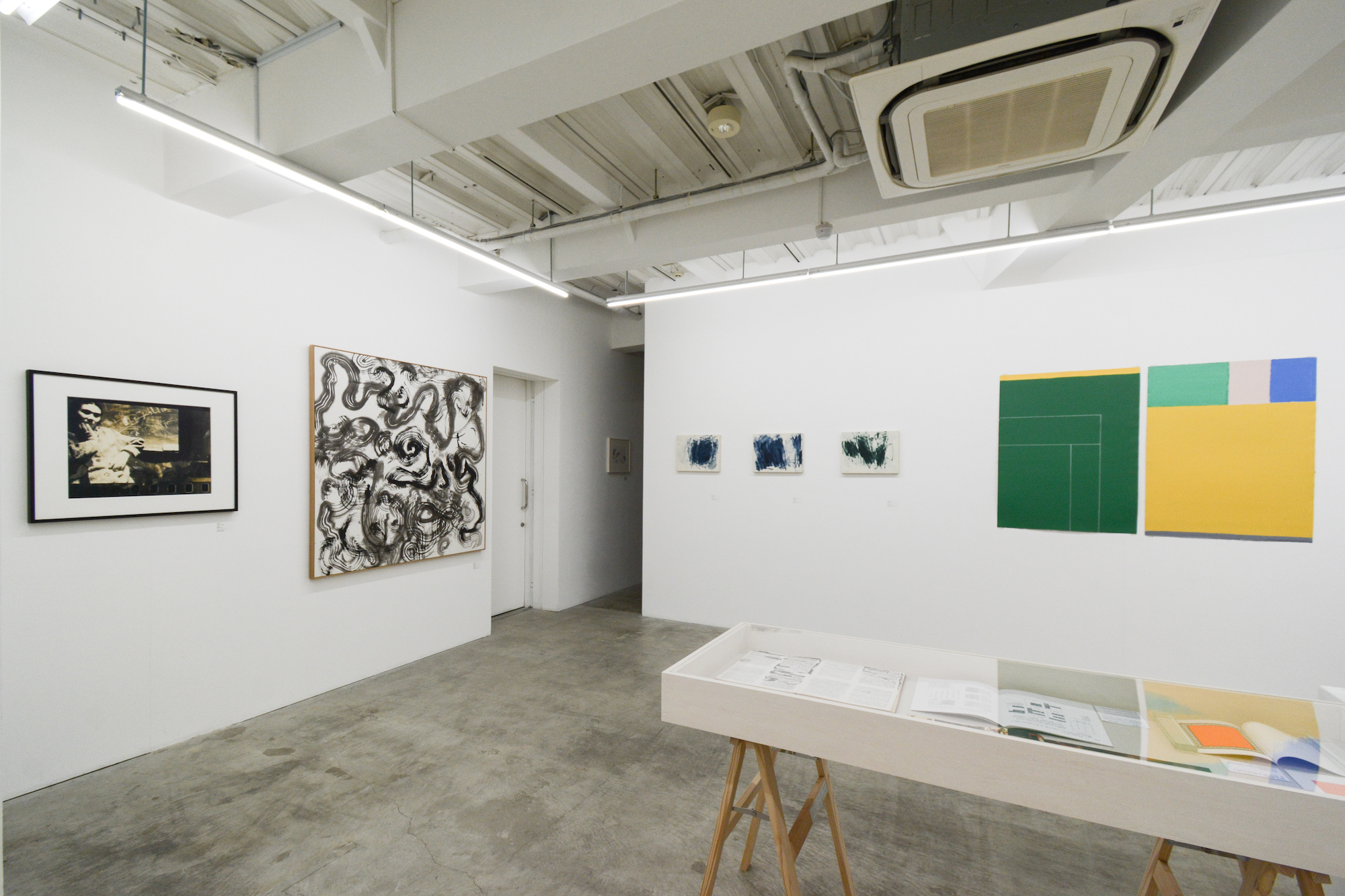
ON MONO, KOTO, AND COLLECTIVE PRODUCTION
This exhibition marks the fourth installment of a biennial series of group exhibitions on the concepts of mono and koto initiated at the gallery in 2020. Mono and koto are fundamental concepts for artistic creation in Japan. Mono, often translated as “material,” “object,” or “thing,” can be defined as “an object that occupies space or takes a form that is perceptible to the human senses.” Koto, connoting an “incident” or “event,” refers to “an abstract object of thought, consciousness, phenomena, action, or character.” This exhibition seeks to deepen the understanding of mono and koto in art practice through the lens of collective production. Works range from a collaboration by artists Yukio Fujimoto and Yasumasa Morimura to photographs produced by the activist All-Japan Students’ Photo Association.
MEM
MEM (Multiply Encoded Messages) was founded in Osaka in 1997 and moved to Tokyo in 2010. The gallery serves as an intersectional zone between artists and the public. It is a collaborative arena where experimental projects and artworks are conceived and exhibited, and where the multiplication of encoded messages can inspire new thinking.
Initially, MEM represented established artists who emerged in the 1980s in the Kansai region and were working in new media, such as video and photography, including Tomoaki Ishihara, Yoshio Kitayama, Chie Matsui, Kimiyo Mishima, and Yasumasa Morimura. Upon relocating to Tokyo, the gallery extended its program to add emerging artists, such as Ayano Sudo and Natsuko Tanihara. It also strengthened its focus on photography by organizing exhibitions for Antoine d'Agata, Ken Kitano, Katsumi Omori, and other contemporary photographers.