AWT BAR
AN ArT SPaCE FOR ALL THE SENSES
November 4–8, 10am–10:30pm (last order 10pm)
Free
emergence aoyama complex
5-4-30 Minami-Aoyama, Minato-ku
The pop-up AWT Bar provides the city’s art community with a convivial gathering place and multisensory art experience during the five days of Art Week Tokyo. The platform entails three commissions: an emerging architect designs the bar space, a rising chef produces new edible creations for the menu, and selected artists conceive cocktails that reflect their artistic practices. It also hosts sound and performance events, deepening Art Week Tokyo’s ties with other creative scenes.
The bar is located in the emergence aoyama complex in the heart of the trendy Minami-Aoyama district and is open from 10am to 10:30pm throughout Art Week Tokyo.
ARCHITECTURE:
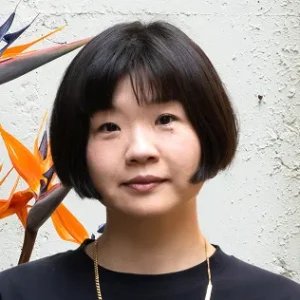
KAE ITO
© Office Itokae
KURU KURU
Kuru Kuru is a bar where people gather and relax, while also functioning as a place for sharing information about Art Week Tokyo.
Arranged from elements that are similar yet subtly different, the space becomes one continuous landscape. The module—a simple form of 12 stainless steel arcs—opens and closes to become a place to sit, a surface to set things on, or sometimes simply an object. It holds no fixed shape or role. When these modules gather, they create a scene that belongs only to that place and time.
For Art Week Tokyo, that gathering takes the form of a lounge bar. In another place, another time, another setting, the same modules will find new relationships and shift into a different state.
—Kae Ito
ABOUT THE ARCHITECT
©️ Office Itokae
FOOD:
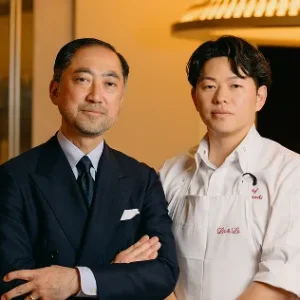
LA & LE
Our food creations for this year’s AWT Bar are inspired by the theme “Entre,” which has the connotation of “standing between” in French. The word encapsulates the many roles a chef plays as someone who stands between and connects not just people but also different flavors, values, and cultures, from sweetness and savoriness to tradition and modernity. The two dishes on the menu playfully invert expectations about how food should look and taste. In doing so they show how the surprise of having our preconceptions upended can naturally lead to discussion and provide an impetus for people to communicate and form new connections with each other.
—Tetsuya Yamashita and Ryuichi Yokomizo
ABOUT LA & LE
RILLETTES DE CANARD AND PAIN D’ÉPICES GÂTEAU
This flamboyant gâteau turns into a savory canapé the moment you bite into it. Its sweet-looking structure is built around a layer of duck rillette mousse set on a pain d’épices base topped with caramelized walnuts and a flourish of apple chips marinated in cider vinegar. That gap between appearance and taste is the essence of entre, producing the surprise and discovery that come with having our preconceptions about food upended.
TARTE TATIN SABLÉ
With one bite, this simple and tidy canapé transforms into a dessert with a tarte tatin–like richness. It is made with caramelized apples arranged on a sablé Breton base and topped with a calvados-infused fermented buttercream fashioned like a quenelle. A finish of ground black pepper and olive oil accentuate the sweetness. This dish offers a culinary experience that activates both sight and taste through an unexpected encounter with a dessert in a savory-looking package.
ARTIsTs
COCKTaILs
1.
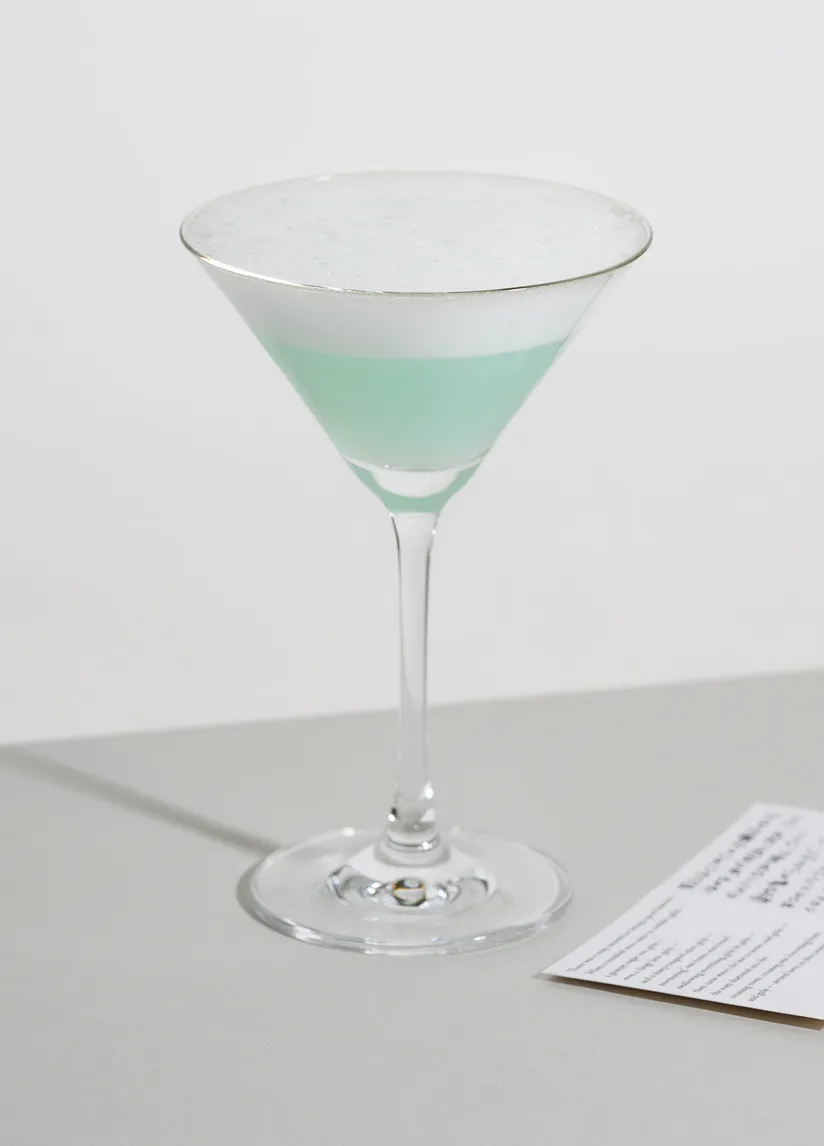
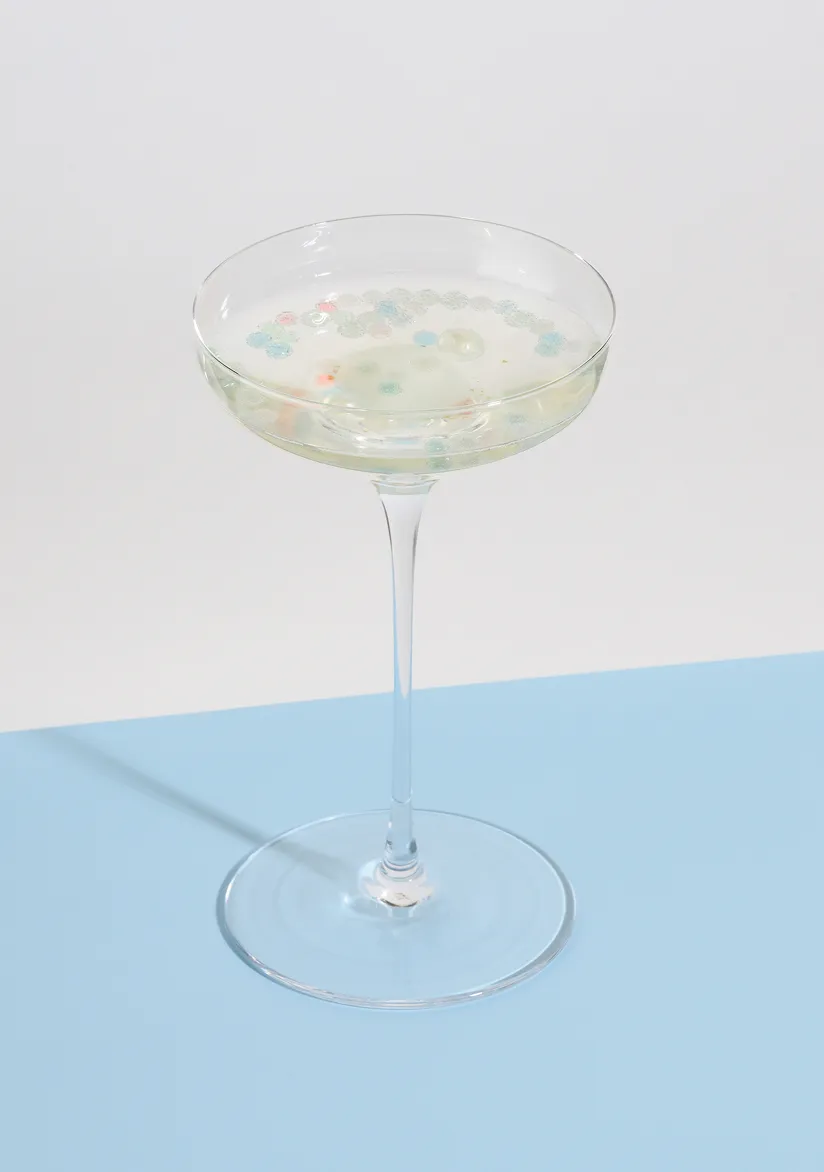
NATSUMI AOYAGI: CAIPIRINHA DE CINCO SABÕES (CAIPIRINHA OF FIVE SOAPS)
This drink may look like a scoop of suds from the kitchen sink, but the moment you take your first sip you’ll be surprised by the earthy lime of a caipirinha instead of the soapy perfume of sabão.
The caipirinha’s name derives from caipira, a Brazilian-Portuguese term for someone from the countryside, similar to “country bumpkin.” Although the cocktail gained popularity in the early 20th-century as a tonic for warding off the Spanish flu, its origins trace back even further to when Portuguese sugarcane production was transferred from the island of Madeira to Brazil. Madeiran poncha, which the island’s fishermen drink to keep warm, is thought to be the prototype for caipirinha. And poncha was in turn likely inspired by traditional Indian punch, the name of which comes from the Hindi and Sanskrit word paanch, or “five.”
Please enjoy this cocktail while reading the original fable of the “Caipirinha of Five Soaps” that comes with it.
Cachaça, blue curaçao, lime juice, simple syrup, egg white, crushed ice, and a pinch of salt
ABOUT THE ARTIST
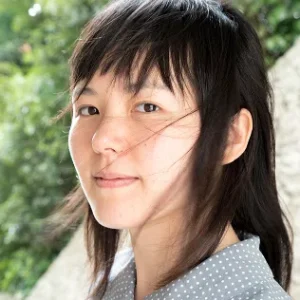
Photo by Shintaro Wada
2.
MARIKO MORI: ALL THAT SHINES
I conceived this cocktail as an expression of the worldview behind “All That Shines,”my retrospective at the Mori Art Museum. The title reflects my belief that all living things have an inner light that shines within them. The soft spheres in the glass are the sparks of light that illuminate each and every person, while the glittering gold leaf symbolizes the preciousness of life and the radiance at its source. The tiny beads scattered around the glass represent the invisible ripples that are sent out into the world as our souls interact. This cocktail embodies my prayer that the inner radiance in each of us can enlighten the world and unite all beings as one.
Gold-leaf sparkling wine, tapioca balls, rose caviar, and kuzumochi
ABOUT THE ARTIST
Photo by Kazuyoshi Shimomura
3.
YOSHIHIRO SUDA: PART-TIME JOB
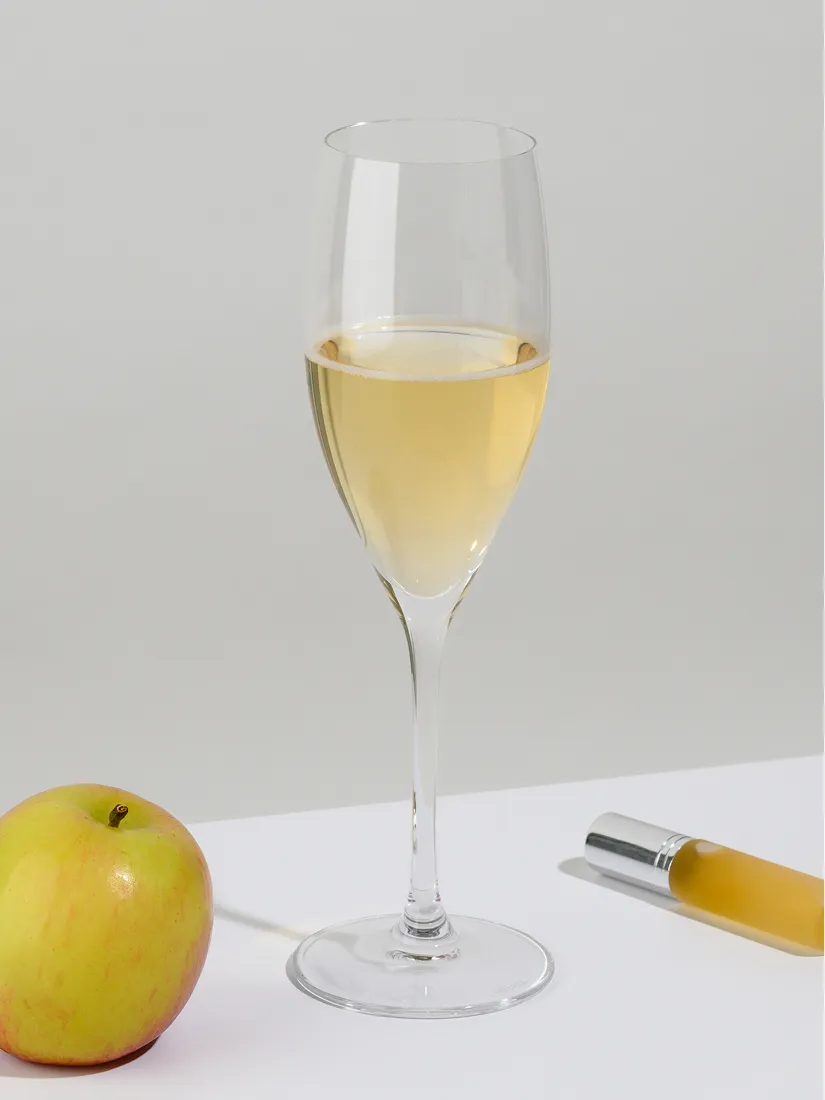
Around the beginning of my artistic career I started doing part-time jobs as an illustrator. Some of the illustrations I made for cider and whisky brands are still in use, which gave me the idea of combining the two drinks in a cocktail. It’s a slightly bittersweet one.
Nikka Hirosaki cidery and whisky spray (choice of Yoichi or Miyagikyo)
ABOUT THE ARTIST
VISIT
AWT BAR
- Omotesando
November 4–8, 10am–10:30pm (last order 10pm)
Free