EXhiBition
AWT FOCUS
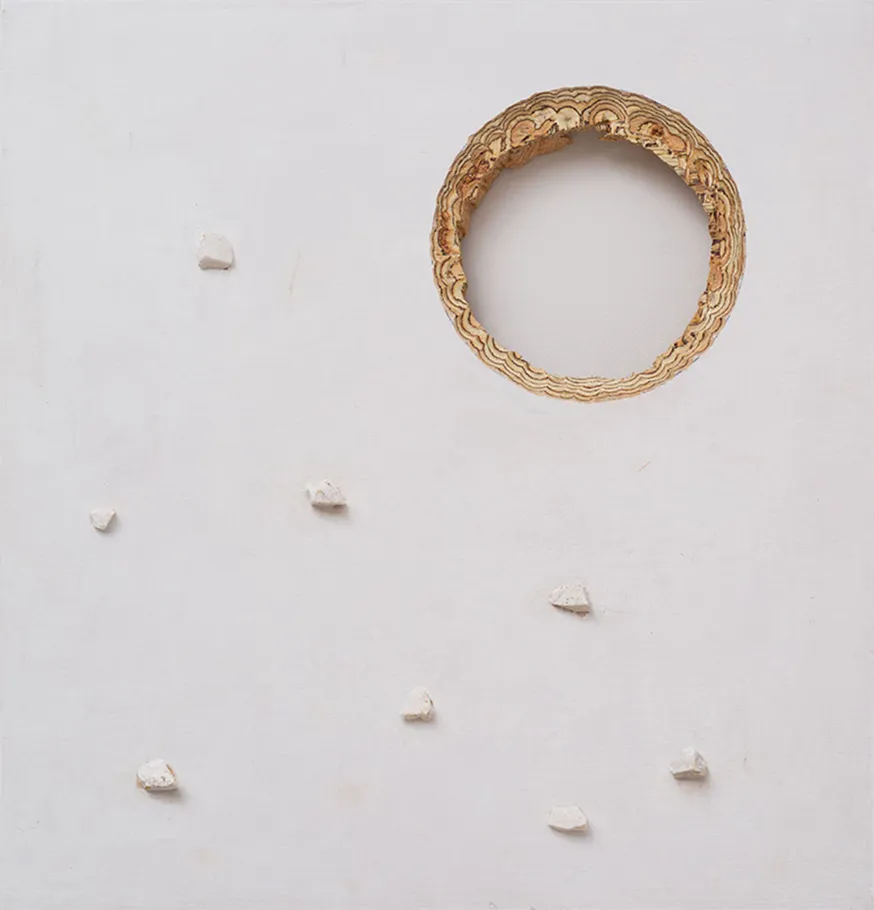
KOJI KAMOJI, Martwa Nature / Still Life No. 10, 2022. Photo by Kei Okano. © Koji Kamoji, courtesy Take Ninagawa.
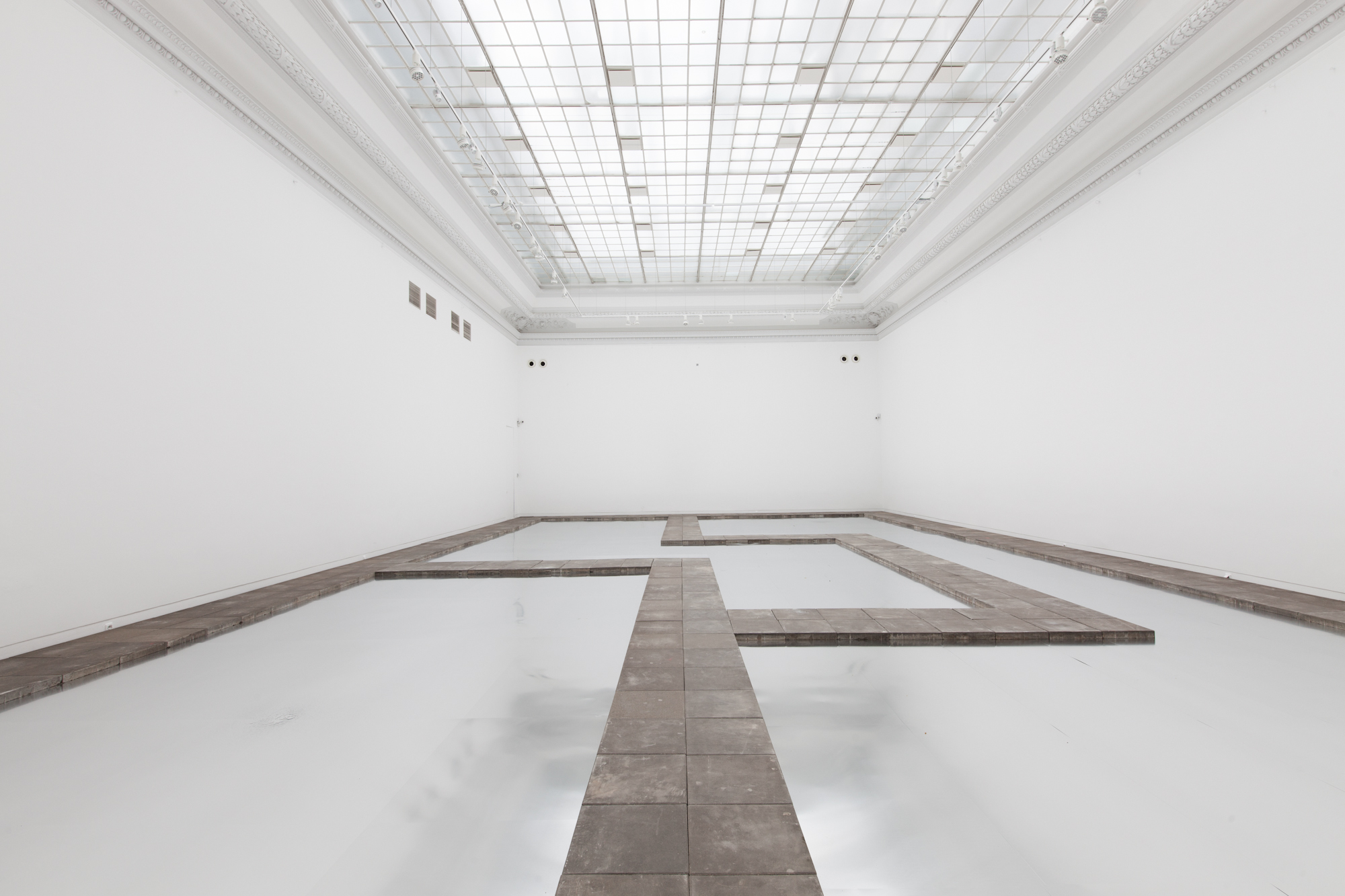
KOJI KAMOJI, Silence and the Will to Live, 2018. Installation, aluminum sheet, paving slab, wheelchair. ©︎ Koji Kamoji, courtesy Take Ninagawa.
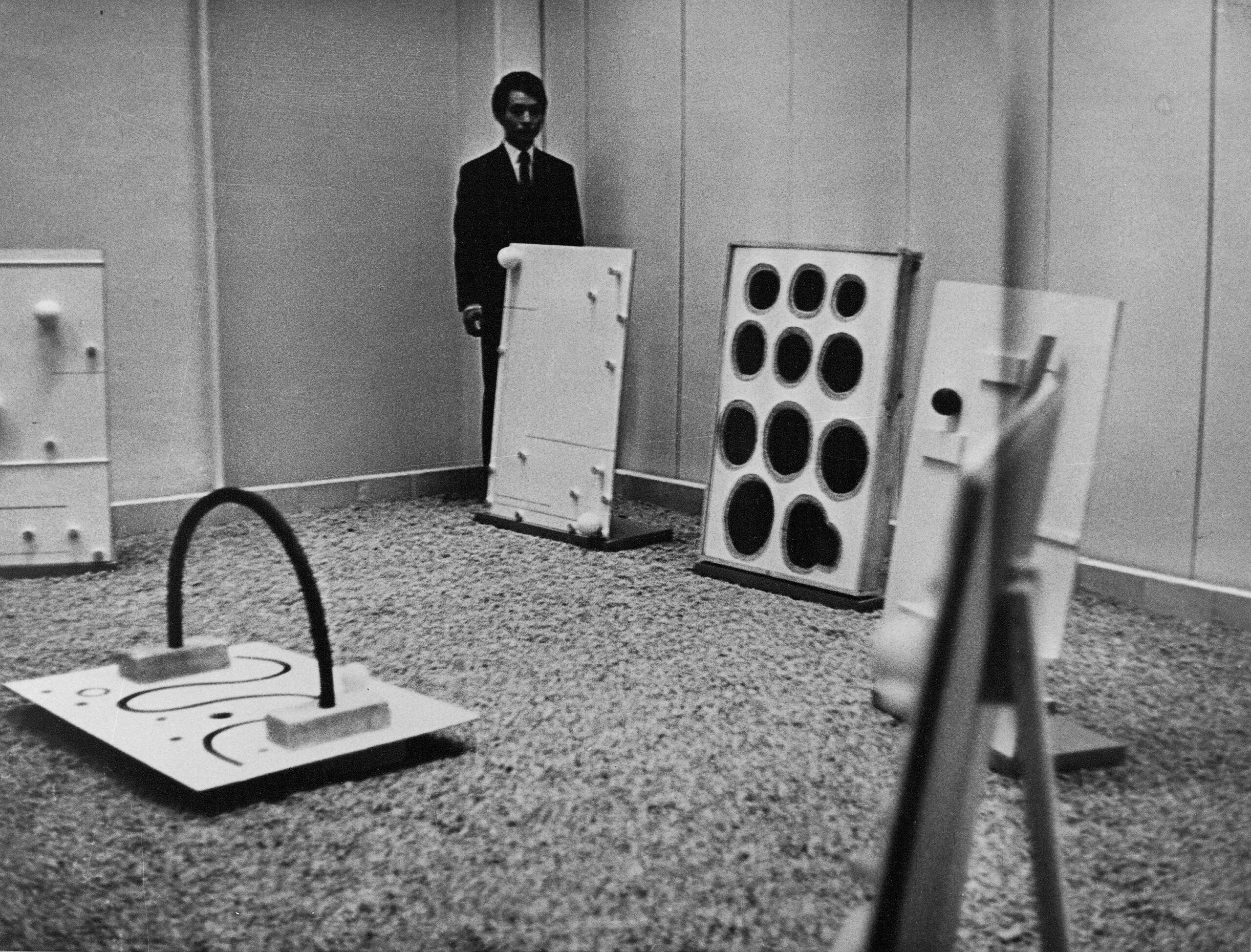
Koji Kamoji in his first solo exhibition at Foksal Gallery, Warsaw, 1967. ©︎ Koji Kamoji, courtesy Take Ninagawa.
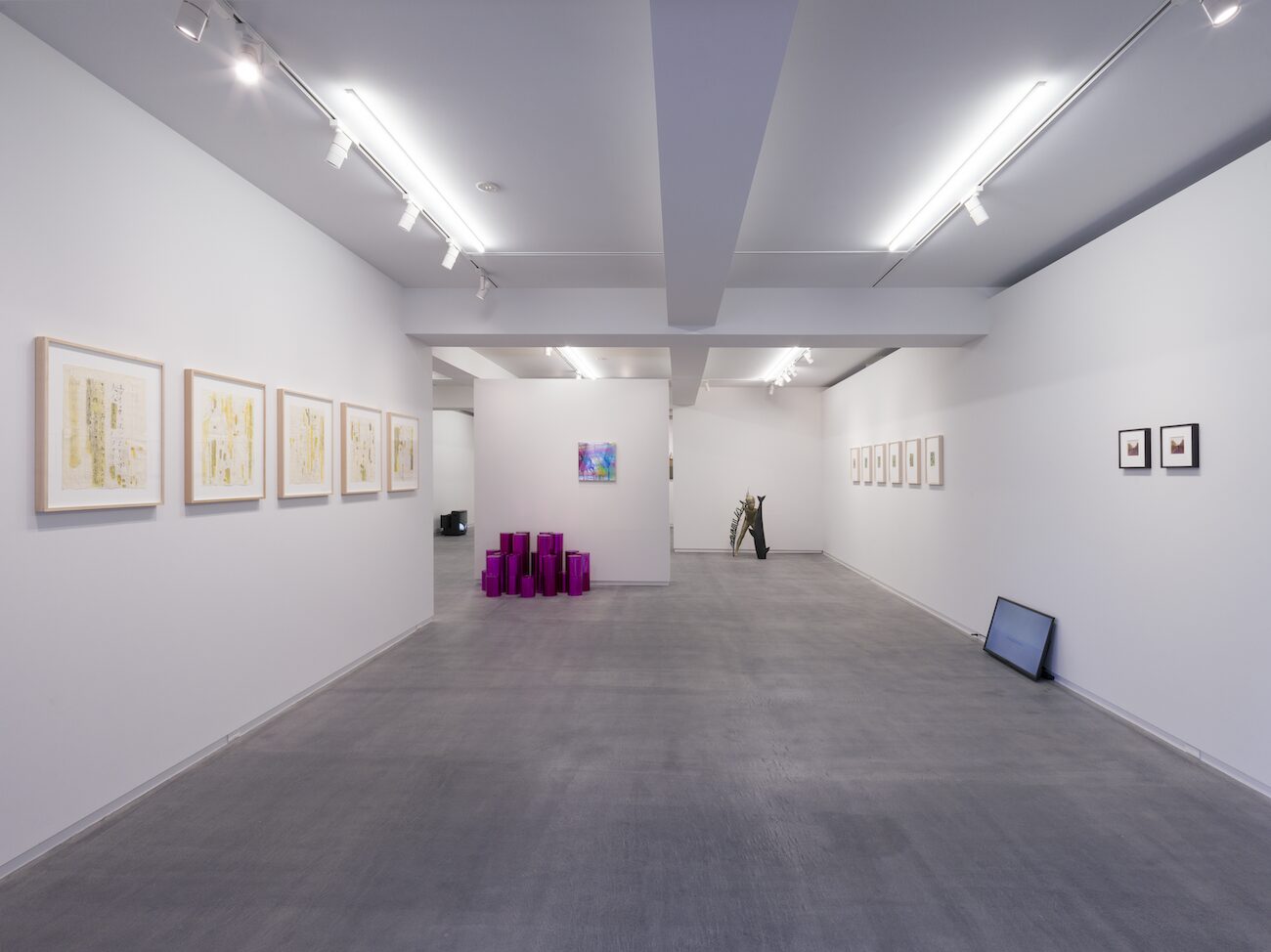
Take Ninagawa, Higashi-Azabu
KOJI KAMOJI: EVERYDAY LIFE
Curated by
Maria Brewińska
Take Ninagawa
Koji Kamoji (b. 1935, Tokyo) left his native Japan for Poland in 1959 and went on to become a key figure in the Polish avant-garde art scene. Warsaw-based curator Maria Brewińska has worked closely with the 91-year-old artist to develop an exhibition reflecting on the connection between art and survival.
CURATORIAL STATEMENT
“Everyday Life” is an exhibition about what remains of a person when history takes everything from them except life itself; about humanity revealed not in history’s great events but in the everyday gestures that make life possible.
The exhibition has grown out of my many previous collaborations with Koji Kamoji, now 91. It focuses on an essential thread in his work: the everyday as a form of survival. The Japanese-born artist has been a key figure in the postwar Polish avant-garde since the 1960s and his art moves between his experiences of Europe and Japan. It is built from simple materials, space, and stillness, resulting in a minimalism that lets him address fundamental questions with precision.
“Everyday Life” is inspired by Kamoji’s memories of accompanying the photographer Yoshino Oishi as an interpreter for her interviews with survivors of the Nazi death camps in the 1980s. One story in particular stayed with him: that of Jan Pilecki and Genowefa Duszczak, whose love was born in the Auschwitz camp in Oświęcim. For Kamoji, theirs is a story of life’s capacity to persist under extreme dehumanization. Here, “everyday life” does not mean the ordinary but rather a survival practiced through repeated gestures, care, closeness, and responsibility—small ways of preserving dignity when everything else is taken. It is everyday life as both resistance and salvation.
The works in the exhibition explore this theme in a simple yet deeply meaningful way. One of the installations, A Room in Auschwitz (2026), evokes a secret meeting place in the camp. The stripped-down, wood-and-paper structure refigures the spaces of privacy and forbidden intimacy that allowed the prisoners to preserve their humanity amid conditions of extermination. Another work, Draught (1975/2026), composed of suspended sheets of paper, becomes a metaphor for transience and the desire for life that sustains existence. In turn, a simple concrete ring, The Well (2026), recalling 1994’s Haiku—Water, an actual well the artist dug in the floor of the Municipal Public Library in Legionowo, refers to Kamoji’s use of water in his work as a fundamental symbol of biological survival. The exhibition is rounded out by a series of white paintings, a record of the artist’s daily practice. These paintings invite contemplation, using abstraction to present everyday life as a creative and protective space.
Kamoji left Japan in 1959 and built his artistic language in Poland for over 60 years before holding his first solo exhibition in his homeland, also curated by me, at Watari-um, Tokyo, in 2025. “Everyday Life” continues that work—not as another return but as a holistic view of an oeuvre that is rooted in Poland while carrying the memory of Japan as a way of thinking about matter, silence, and life, rather than as a subject in itself.
I hope this exhibition offers viewers the space to pause—not to look away from history but to see what allows a person to survive it: the everyday, the presence of another, the will to live.
—Maria Brewińska
ABOUT THE CURATOR

Take Ninagawa
Established in 2008, Take Ninagawa is dedicated to promoting emerging and historically established Japanese artists in a cross-generational, international framework. Represented artists build upon precedents in Japanese postwar experimental art in developing their own approaches to address contemporary concerns. International artists in the gallery’s program are invited to respond to the specific context for contemporary art and culture in Japan while giving expression to the broader perspectives they bring with them. Each exhibition at the gallery is conceived on a project basis, with artists encouraged to develop ideas across a series of exhibitions. Driven by a mission to produce new values that can challenge entrenched power structures in art and society, Take Ninagawa frequently collaborates on initiatives with other galleries in Japan, the Asia Pacific, and beyond. Represented artists include Ryoko Aoki, Thea Djordjadze, Kazuko Miyamoto, Shinro Ohtake, Aki Sasamoto, Danh Vo, Andro Wekua, Tsuruko Yamazaki, and Gozo Yoshimasu.