EXhiBition
GALLERIES
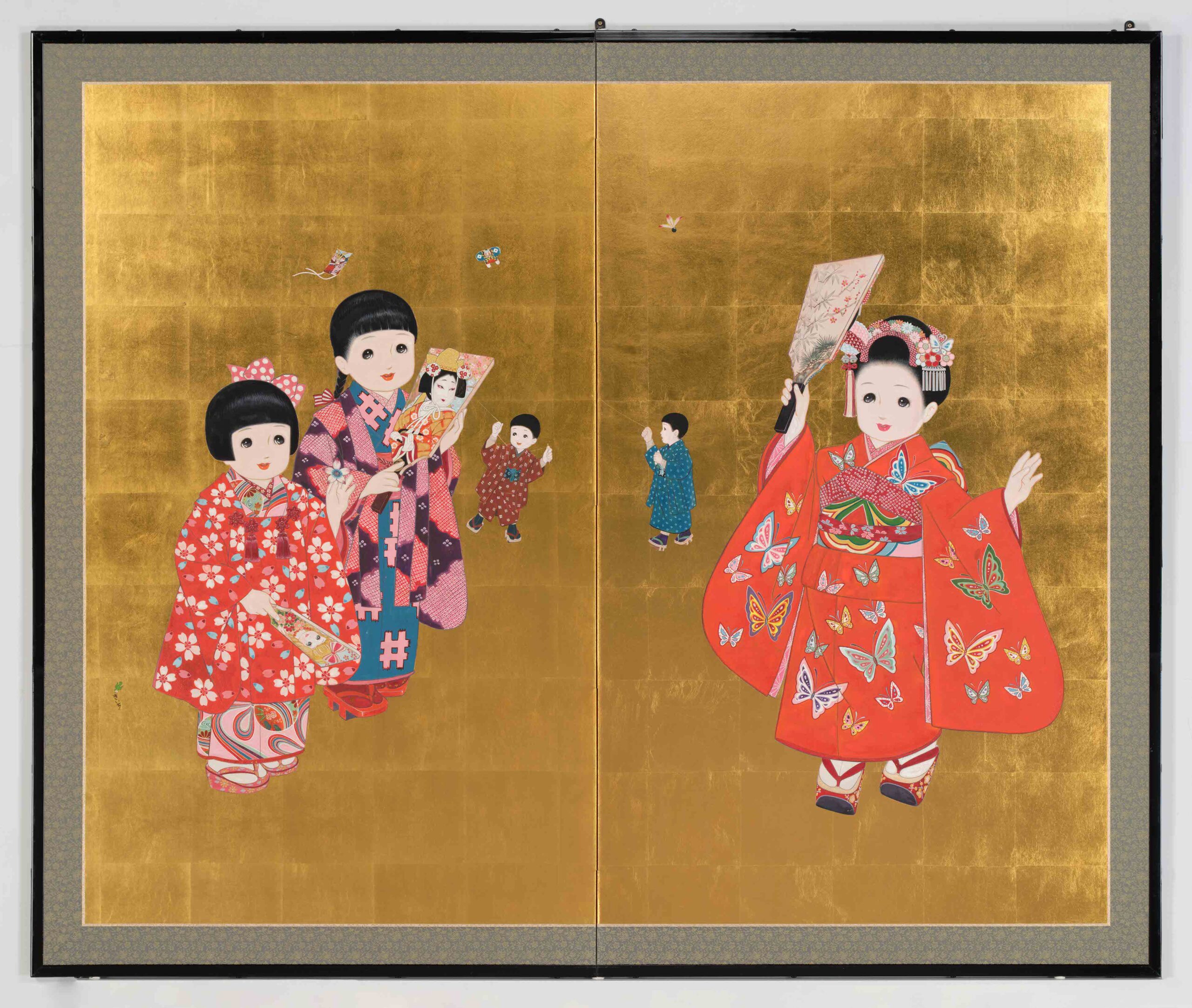
KIICHI TSUTAYA, Hagoita, c. 1988. Color, gold leaf, two-panel folding screen, 150 x 180 cm. © Kiichi Tsutaya, courtesy Nanzuka.
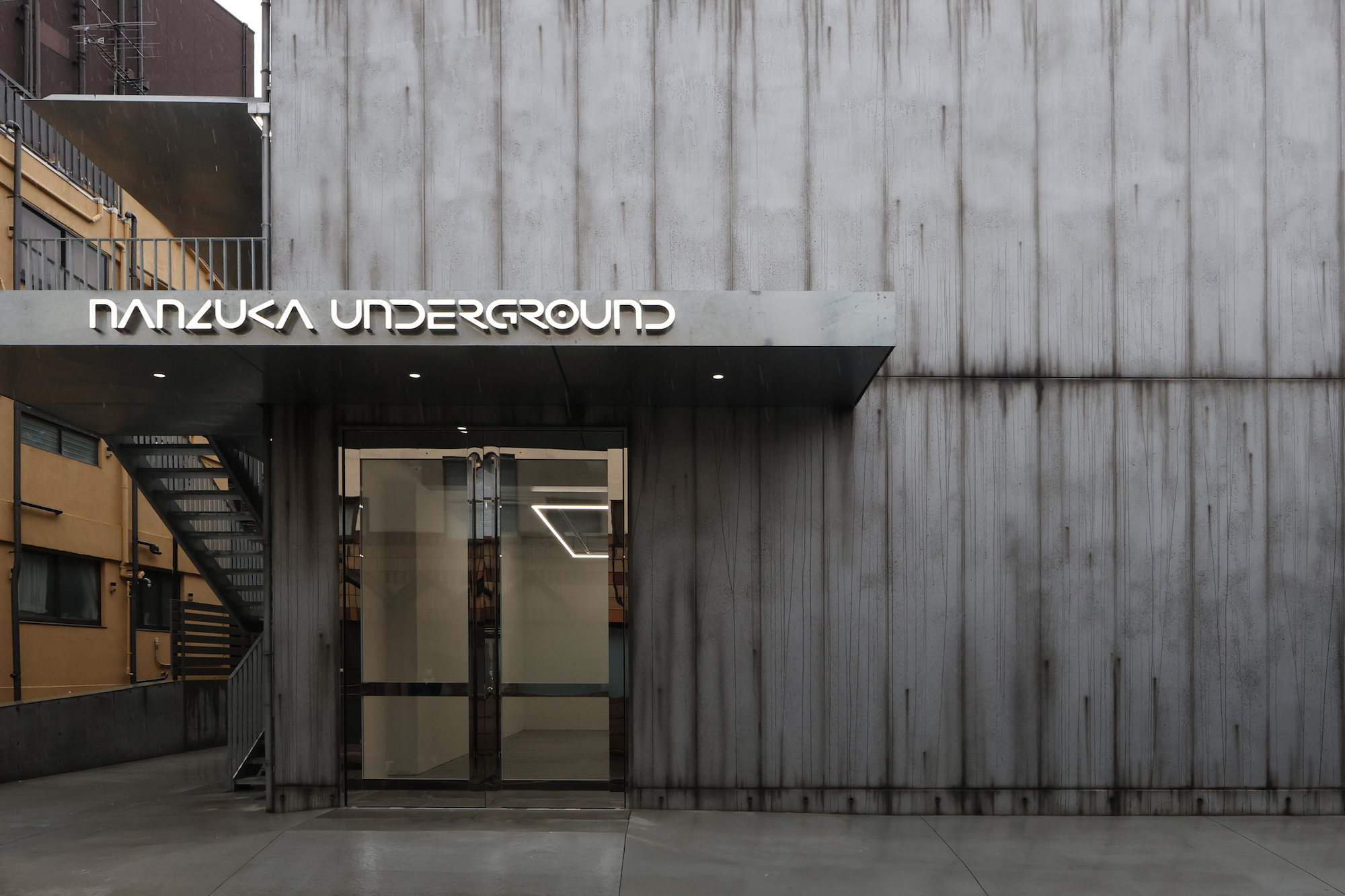
© Nanzuka
KIICHI TSUTAYA
Kiichi Tsutaya (1914–2005) was a key figure in postwar Japanese subculture, best known for his personal line of coloring illustrations, Kiichi no nurie, which enjoyed popularity from the mid-1940s to the 1960s. Tsutaya was rediscovered in the 1970s through his production of drawings and other merch for the quirky variety store Bunkaya Zakkaten—then a countercultural hub in Tokyo—and his 1978 exhibition at Shiseido Gallery. An art-historical reassessment of his practice came in 2002 with his inclusion in Takashi Murakami’s “Coloriage” survey at the Fondation Cartier pour l’art contemporain in Paris. This exhibition assembles some 50 works from the painting series One Hundred Metamorphoses of Little Girls (1985–2005), which are drawn from a private collection and being shown in Japan for the first time.
NANZUKA
Nanzuka was founded in 2005 in Shibuya as an experimental space dedicated to redefining design, illustration, street culture, fashion, music, and other creative fields as subjects for rigorous study. In particular the gallery aims to rediscover figures who were not considered “fine artists” by the Japanese art world that developed after World War II, such as Toshio Saeki, Hajime Sorayama, Keiichi Tanaami, and Harumi Yamaguchi. Nanzuka collaborates with many international galleries to support the broader reception of emerging Japanese artists like Haroshi, Masato Mori, Ryuichi Ohira, Makoto Taniguchi, and Hiroki Tsukuda. The gallery also works with international artists to introduce global perspectives on contemporary art to Japan.