EXhiBition
INSTITUTIONS
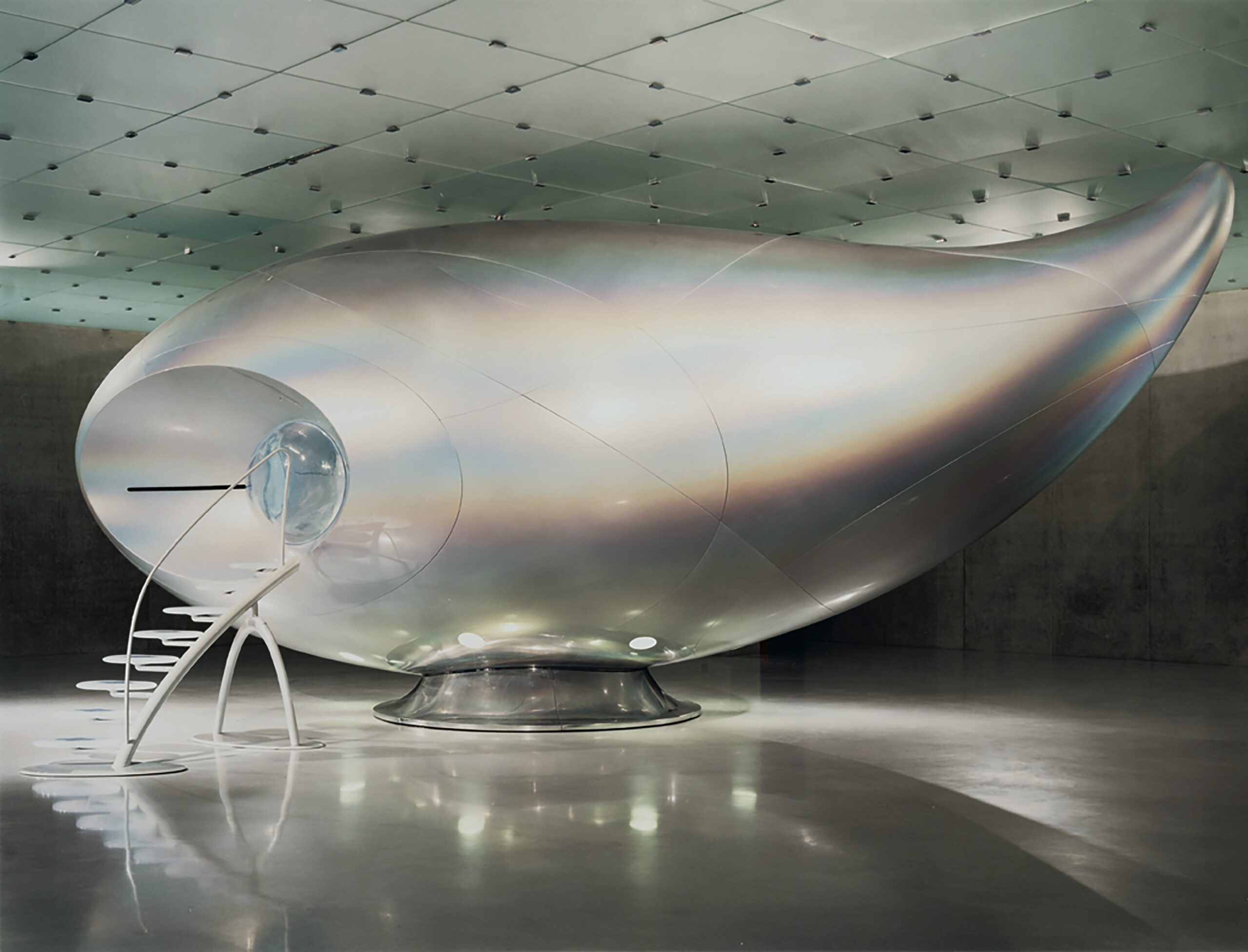
MARIKO MORI, Wave UFO, 1999–2002. Brainwave interface, vision dome, projector, computer system, fiberglass, Technogel, acrylic, carbon fiber, aluminum, and magnesium. Installation view, Kunsthaus Bregenz, Austria, 2003. Photo by Richard Learoyd.
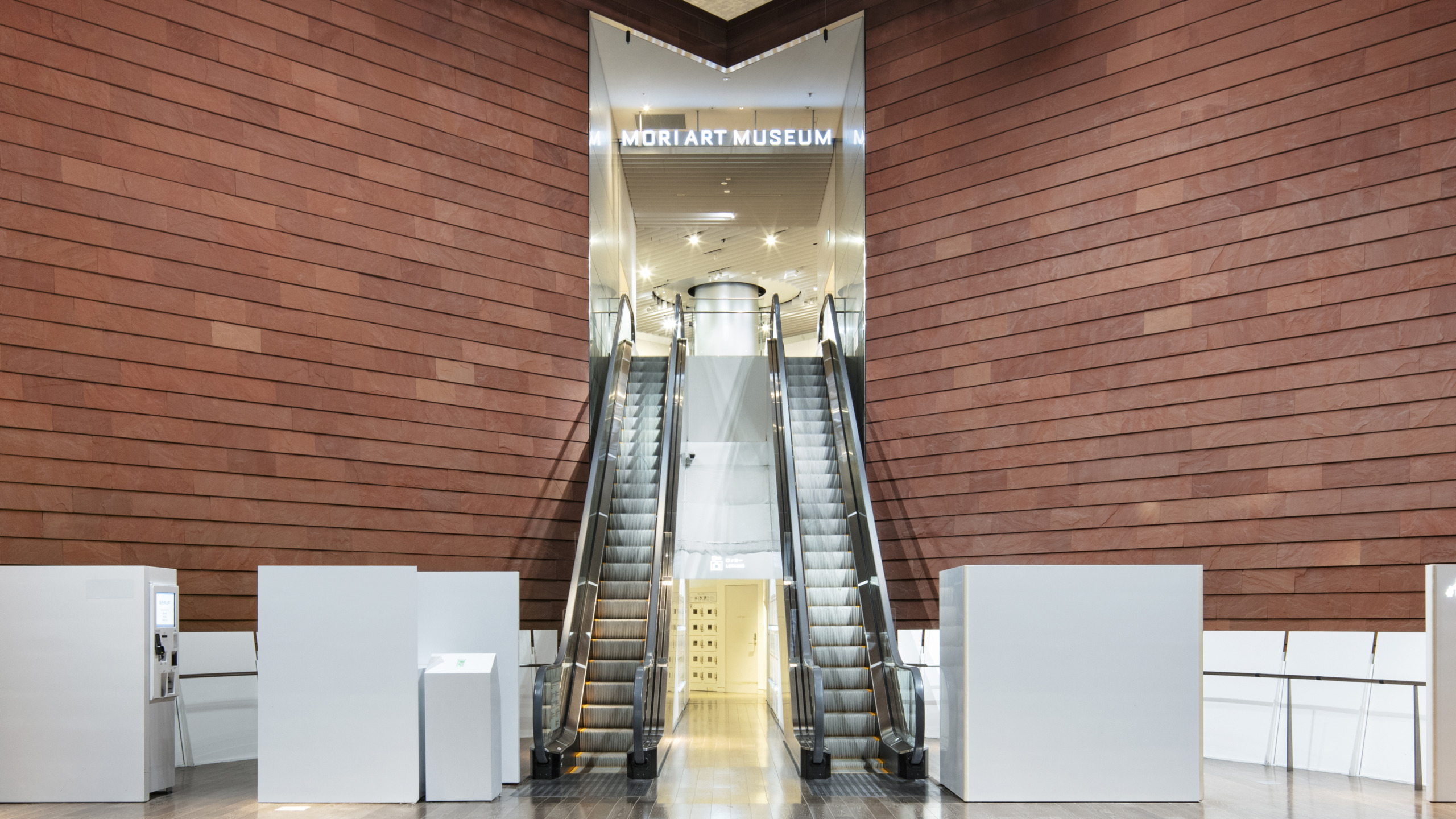
Courtesy Mori Art Museum
MARIKO MORI: ALL THAT SHINES
Anticipating current trends in contemporary art, Mariko Mori rose to prominence in the 1990s through her “Cyborg” (1994–95) series of performance-based photographs and videos touching on issues including anime culture, gender, and posthumanism. She then pivoted to cosmic concerns in works like the immersive installation Wave UFO (1999–2002), which generates imagery based on participants’ brainwave biofeedback, and the totem-like sculpture Tom Na H-iu (2006), which is illuminated by real-time data from solar neutrinos, the Earth’s atmosphere, and distant supernovae. “All That Shines,” Mori’s first major retrospective in Japan since 2002, assembles some 40 works from across her career while repositioning her visionary practice within new discursive frameworks, such as technological futurism and philosophies of consciousness. The exhibition is organized by the Mori Art Museum in collaboration with the Solomon R. Guggenheim Foundation in New York.
MORI ART MUSEUM
Crowning the Roppongi Hills Mori Tower, the Mori Art Museum is committed to presenting cutting-edge visual arts, architecture, design, and other modes of creative output from around the world. The museum is known for producing groundbreaking monographic exhibitions of important Japanese and international artists, such as Ai Weiwei, Yayoi Kusama, and Takashi Murakami; large-scale thematic surveys covering various topics and geographic regions; and the triennial Roppongi Crossing, which offers an overview of Japanese contemporary art. The museum complements these exhibitions with smaller, more focused programs, such as MAM Collection, which introduces works in the museum’s collection; MAM Screen, which showcases video works; MAM Research, which focuses on exhibiting materials rather than artworks; and MAM Projects, which conducts experimental projects with artists from Japan and beyond.
Pursuing a vision of “Art + Life,” the Mori Art Museum seeks to make contemporary art more accessible to broad audiences. The museum supervises works of public art at Roppongi Hills and Toranomon Hills and organizes art events in collaboration with local communities. The museum is open late six nights a week to enable visitors to enjoy art after work or dinner.
Dining options on-site.